
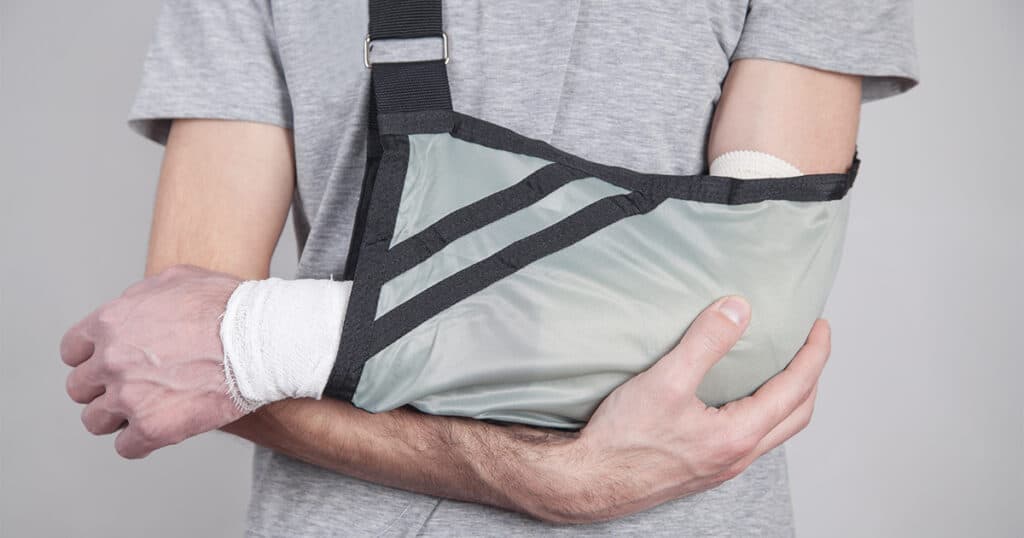
Fractures are common injuries that can affect people of all ages, caused by accidents, falls, or sports-related incidents. Healing depends on the type of fracture, the bone involved, and the overall health of the individual. Proper care, including immobilization and following medical advice, is essential for a smooth recovery. Timely treatment and patience play a key role in restoring full strength and mobility. Visit Altus emergency room Lumberton, TX for expert inpatient care and prompt treatment.
Understanding how long a fractured bone takes to heal is essential for patients to set realistic expectations and follow the right rehabilitation plan. Recovery may involve rest, physical therapy, and a gradual return to activities. Factors such as age, nutrition, and the severity of the break can influence healing time, making personalized care important. Regular medical checkups ensure proper progress and help prevent complications during recovery.
What is Fracture?
A fracture is a break or crack in a bone, often caused by trauma, accidents, falls, or repetitive stress. Fractures can range from a small hairline crack to a complete break where the bone may pierce the skin. Symptoms typically include pain, swelling, bruising, and difficulty moving the affected area. Proper diagnosis and timely medical care are essential to ensure the bone heals correctly and to prevent long-term complications.
There are several types of fractures, including:
- Simple Fracture: Bone breaks but does not pierce the skin.
- Compound Fracture: Bone breaks and pierces the skin, increasing infection risk.
- Greenstick Fracture: Partial fracture common in children where the bone bends.
- Comminuted Fracture: Bone breaks into several pieces, often requiring surgery.
- Hairline Fracture: Small, thin crack in the bone, usually caused by stress or overuse.
- Spiral Fracture: Bone twists apart, often from a twisting injury.
How Long Does it Take to Heal a Fractured Bone?
The healing time for a fractured bone usually ranges from 6 to 8 weeks, but it can vary depending on the type of fracture, the bone affected, age, and overall health. Children and younger adults tend to heal faster, while older adults or people with certain medical conditions may take longer. Proper immobilization, nutrition, and following a doctor’s advice are essential for optimal recovery. Some fractures may require surgery or physical therapy to regain full function. Understanding the healing process helps patients set realistic expectations and monitor progress effectively.
Inflammatory Phase
The inflammatory phase occurs immediately after the fracture, usually lasting a few days. The body forms a blood clot at the fracture site, which helps stabilize the bone. Swelling, pain, and redness are common during this phase as the body sends cells to start repair. This stage is crucial for cleaning debris and preparing the bone for healing.
Soft Callus Formation
Within 1–2 weeks, a soft callus made of collagen and cartilage begins to form around the fracture. This temporary bridge stabilizes the bone while new tissue develops. Movement should be limited to prevent disrupting the callus. Mild discomfort may persist, but the bone is gradually becoming stronger. Proper nutrition and avoiding stress on the injured area can support faster callus formation.
Hard Callus Formation
During this stage, which lasts several weeks, the soft callus is replaced by a hard bony callus. The fracture site becomes more rigid, allowing partial weight-bearing or gentle movement depending on the doctor’s advice. X-rays usually show clear signs of bone formation. Proper nutrition, including adequate calcium and vitamin D, can support stronger bone healing during this phase.
Bone Remodeling
The final stage of bone fracture healing can last several months as the bone reshapes and strengthens to restore its original structure. The body replaces excess callus tissue with compact bone, and normal function gradually returns. Full strength may take longer than complete healing, so care should be taken to avoid reinjury. Following a guided rehabilitation program can help restore mobility, strength, and flexibility safely.
Common Fractures: Healing Time
| Type of Fracture | Average Healing Time | Notes |
| Clavicle (Collarbone) | 6–8 weeks | Common in falls; usually heals with a sling. |
| Radius/Ulna (Forearm) | 6–10 weeks | May require a cast or surgery depending on the type. |
| Tibia/Fibula (Lower Leg) | 10–16 weeks | Weight-bearing may be limited. |
| Humerus (Upper Arm) | 8–12 weeks | Healing can vary with age and fracture type. |
| Wrist (Distal Radius) | 6–8 weeks | Often cast; may need physical therapy. |
| Ankle | 6–12 weeks | Stability and mobility exercises are required. |
| Finger/Toe | 3–6 weeks | Usually minor, may need splinting. |
Factors Affecting Healing Time
The time it takes for a fracture to heal can vary widely depending on several factors. Understanding how long a fractured bone takes to heal is important for setting realistic expectations. Age, overall health, nutrition, and the type of fracture all play a role in recovery. Proper immobilization, following medical advice, and avoiding stress on the injured bone are essential for faster healing. Smoking, chronic illnesses, or poor circulation can slow down the process. Knowing these factors helps patients take proactive steps to support recovery and prevent complications.
Age
Younger individuals generally heal faster because their bones are more resilient and regenerate more quickly. Children often recover from fractures in half the time it takes adults. Older adults may face slower healing due to reduced bone density and other age-related factors. Regular monitoring and follow-up care can help ensure proper healing at any age.
Type and Severity of Fracture
Simple fractures tend to heal more quickly than complex or compound fractures. Comminuted fractures, where the bone is broken into multiple pieces, or fractures that pierce the skin, often require longer recovery times and sometimes surgical intervention. Following your doctor’s instructions carefully can significantly improve recovery outcomes.
Nutrition
A balanced diet rich in calcium, vitamin D, and protein supports bone healing. Poor nutrition can delay callus formation and weaken the bone structure during recovery. Supplements may be recommended if dietary intake is insufficient. Staying hydrated and eating a variety of nutrient-dense foods can further enhance the healing process.
Overall Health
Chronic conditions like diabetes, anemia, or cardiovascular issues can slow down healing. Maintaining good overall health, managing underlying conditions, and following medical guidance are crucial for timely recovery. Eating a balanced diet rich in vitamins and minerals, staying active within doctor-approved limits, and avoiding harmful habits can further support the healing process.
Lifestyle Factors
Smoking, excessive alcohol consumption, and lack of physical activity can negatively affect healing. Avoiding harmful habits and engaging in safe, doctor-approved exercises can enhance bone recovery. Staying hydrated and maintaining a nutrient-rich diet also supports the body’s natural repair processes and overall bone strength.
Get 24/7 Fracture Care at Altus Emergency Center
If you or a loved one suffers a broken bone, seek expert care at Altus Emergency Center. Open 24/7, the facility provides immediate access to board-certified emergency physicians and advanced imaging equipment to assess and treat fractures safely and effectively. Whether it’s a simple fracture or a more complex break, you can rely on timely, compassionate, and precise treatment to support proper healing and recovery. Following your doctor’s instructions carefully and attending all follow-up appointments can ensure the bone heals correctly. Additionally, incorporating recommended physical therapy and safe exercises helps restore strength and mobility more effectively. In cases involving children, timely inpatient care is crucial to ensure healthy bone growth and proper alignment during healing.