
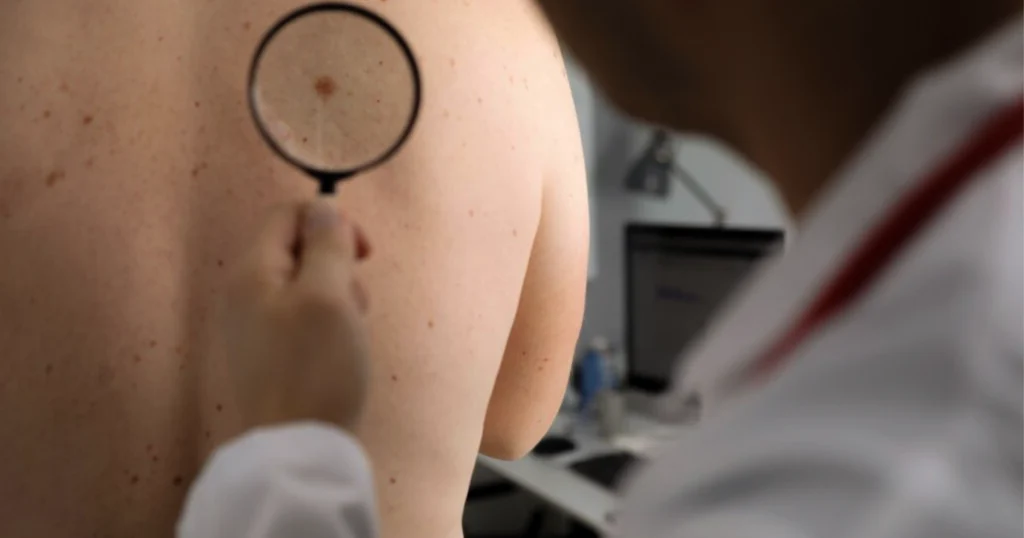
Noticing unusual spots, bumps, or changes on your skin can be concerning. Understanding What Is A Lesion helps you stay aware and take timely action. Early attention can reduce anxiety, help you monitor changes, and support healthier skin decisions.
At our Altus Emergency Room Waxahachie, we provide compassionate care for anyone noticing lesions on skin. Our team ensures proper evaluation, clear explanations, and personalized guidance, giving you confidence and peace of mind. Timely attention can make a significant difference in outcomes.
What Are Lesions?
A lesion is any abnormal change in tissue that can appear on the skin or other parts of the body. Lesions vary in size, shape, color, and depth, and can be temporary or persistent. Some are harmless, like benign lesions or common skin growths, while others may indicate underlying health concerns.
What Causes Skin Lesions?
Skin lesions can develop from a variety of factors, including infections, chronic conditions, and environmental triggers. Understanding the root cause is important to determine treatment and prevent recurrence. Common causes include:
- Infections: Bacterial, viral, or fungal infections can lead to various lesions on skin.
- Allergic Reactions: Allergens may trigger hives, wheals, or other skin changes.
- Trauma or Injury: Cuts, burns, or friction can lead to secondary lesions like scars or fissures.
- Genetic or Hereditary Factors: Some birthmarks or benign lesions may be inherited.
- Environmental Factors: UV exposure, chemicals, or irritants can damage skin and contribute to lesions.
Symptoms of a Lesion
Lesions can present differently depending on their type, cause, and location. Common symptoms include:
- Redness or discoloration of the skin.
- Bumps, nodules, or papular lesions.
- Pain or tenderness in the affected area.
- Itching, irritation, or discomfort.
- Bleeding, oozing, or crusting.
Types of Skin Lesions
Skin lesions can take many forms, and understanding their types helps evaluate severity and determine treatment. Lesions are often categorized as primary skin lesions, which appear initially, or secondary skin lesions, which develop from changes in primary lesions. Proper identification is essential for monitoring and intervention.
- Macule
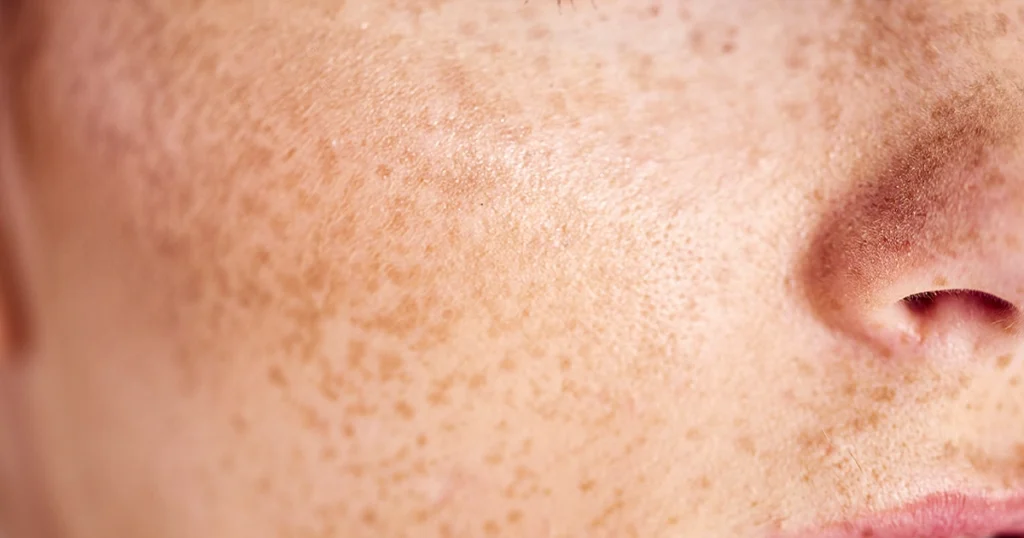
A macule is a flat, discolored area of the skin, typically smaller than 1 cm. It does not rise above the skin surface and can be seen in freckles, birthmarks, or certain rashes. Macules are usually harmless but should be monitored for changes in size, color, or number. They often serve as an early indicator of skin conditions.
- Papule
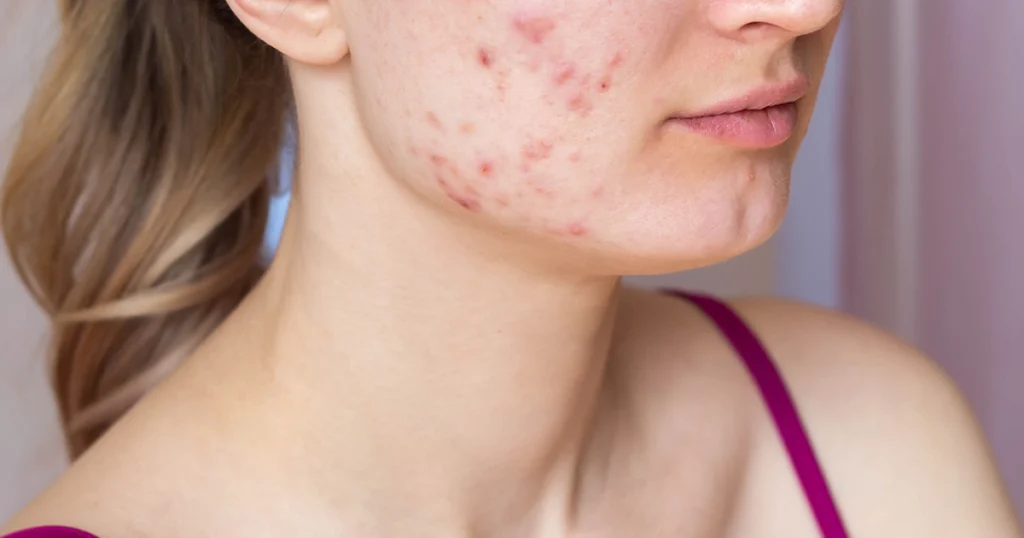
Papules are small, raised, solid lesions under 1 cm that can appear individually or in clusters. They are common in acne, benign skin growths, or inflammatory conditions and may become scaly or crusted. Persistent papules require evaluation; a study found 62.9% of children with dermatologic disease had papular urticaria
- Nodule
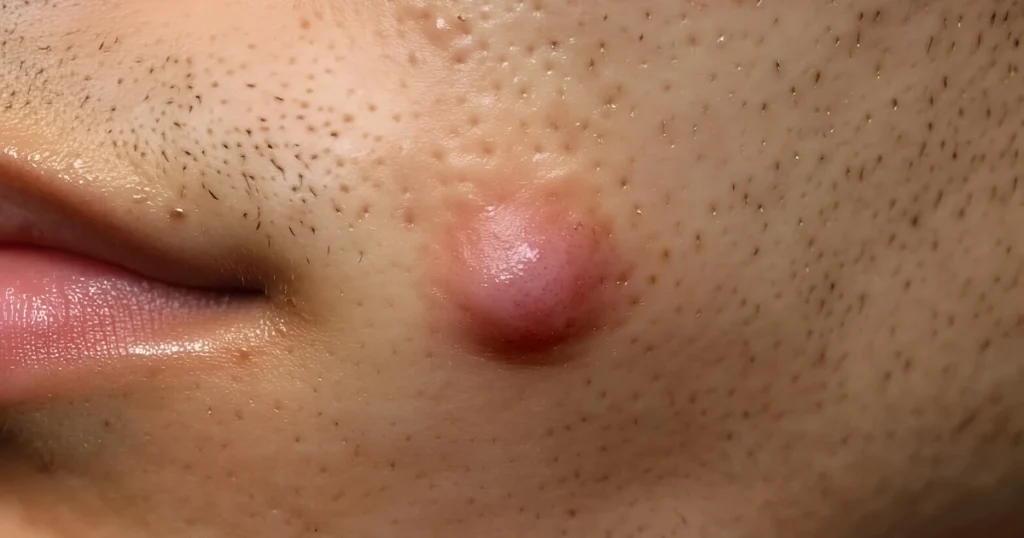
Nodules are larger, firm lesions extending deeper into the skin. They may indicate cysts, infections, or benign skin cancer. Nodules can be tender or painful and may affect underlying tissues if untreated. They can sometimes ulcerate or discharge fluid if infection is present, requiring careful monitoring.
- Plaque
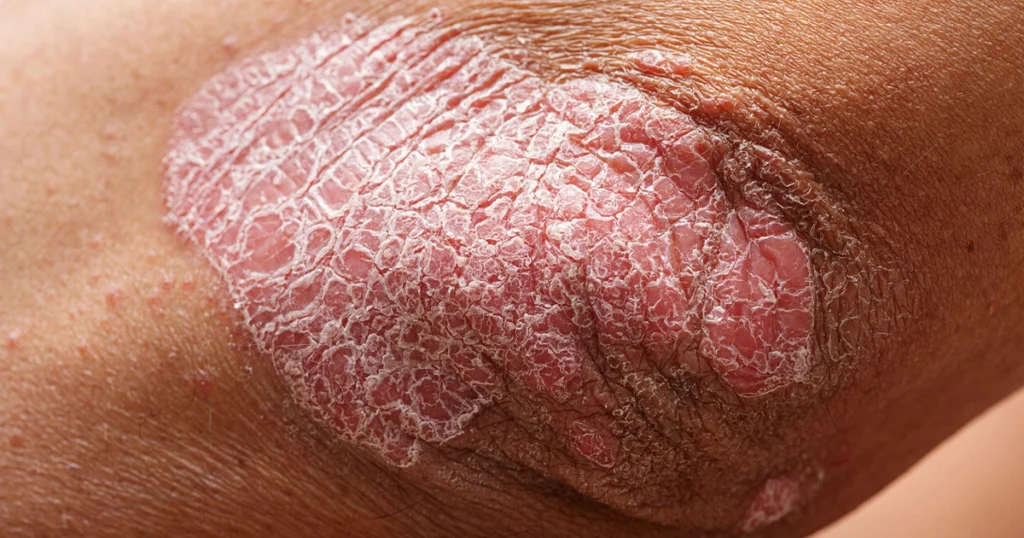
Plaques are raised, flat-topped lesions formed by merging papules. They are common in psoriasis or chronic dermatitis and may be itchy or tender. Plaques can vary in size, persist for long periods, and require consistent management to prevent skin damage. Plaques may also lead to secondary skin changes like scaling or fissures if left untreated.
- Vesicle
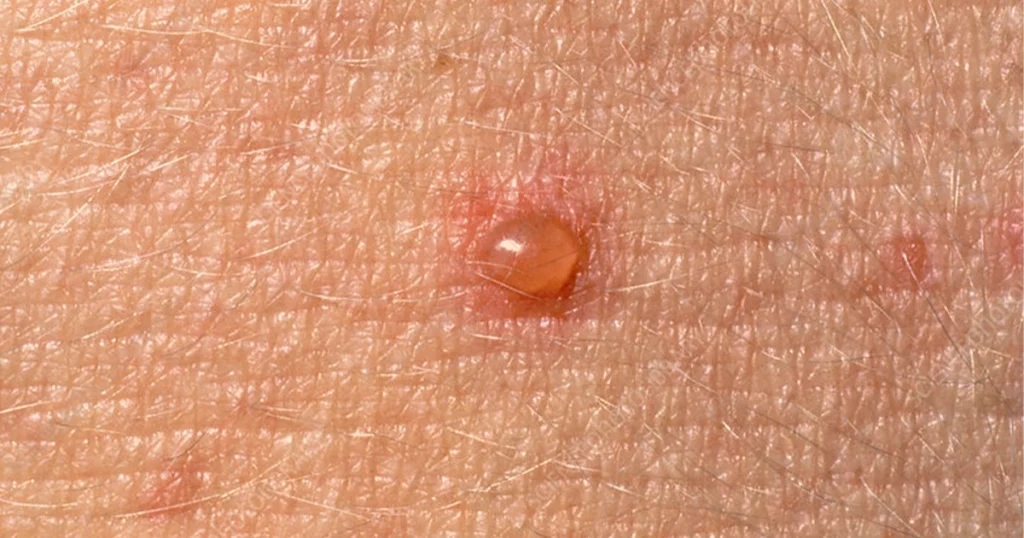
Vesicles are small, fluid-filled lesions under 1 cm, often caused by viral infections such as herpes or chickenpox. They can be painful or itchy and may rupture, leading to crusting or secondary infection. Clusters of vesicles may indicate a more widespread viral infection and require prompt evaluation.
- Bulla
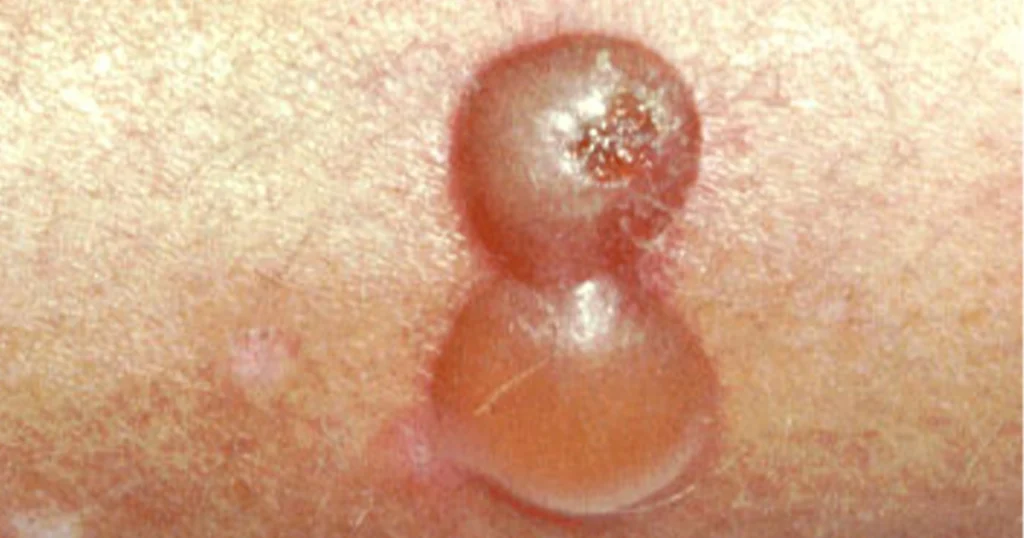
Bullae are larger fluid-filled lesions over 1 cm, arising from burns, allergic reactions, or blistering disorders. They are prone to rupture, increasing infection risk. Prompt medical care ensures proper healing and prevents further skin issues. If bullae become infected, they can cause cellulitis or systemic symptoms, necessitating immediate medical attention.
- Pustule
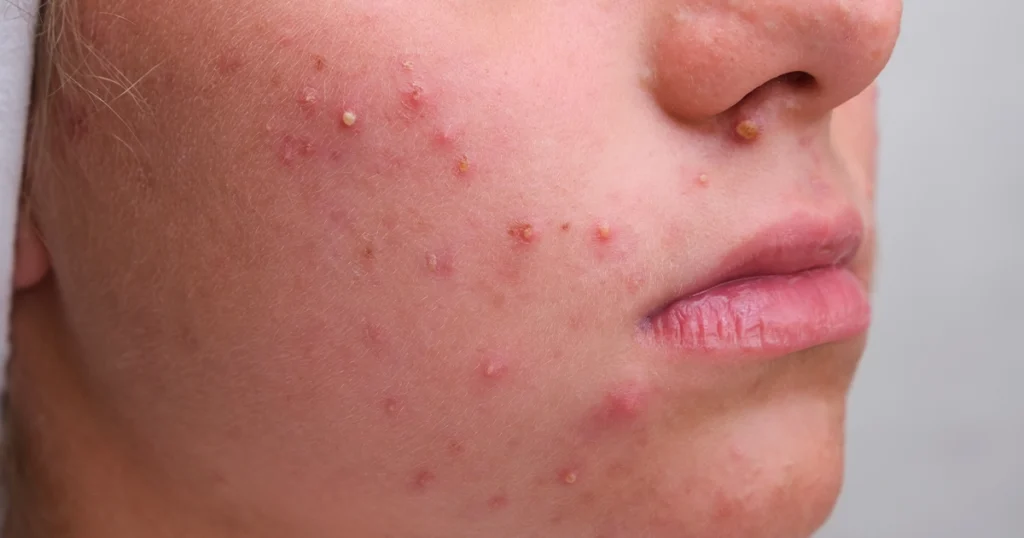
Pustules are raised lesions filled with pus, commonly due to bacterial infections or inflammatory conditions like acne. They may cause scarring if untreated. Good hygiene and timely treatment reduce complications and speed recovery. Frequent pustules can indicate an underlying chronic skin condition, which may require long-term management.
- Wheal
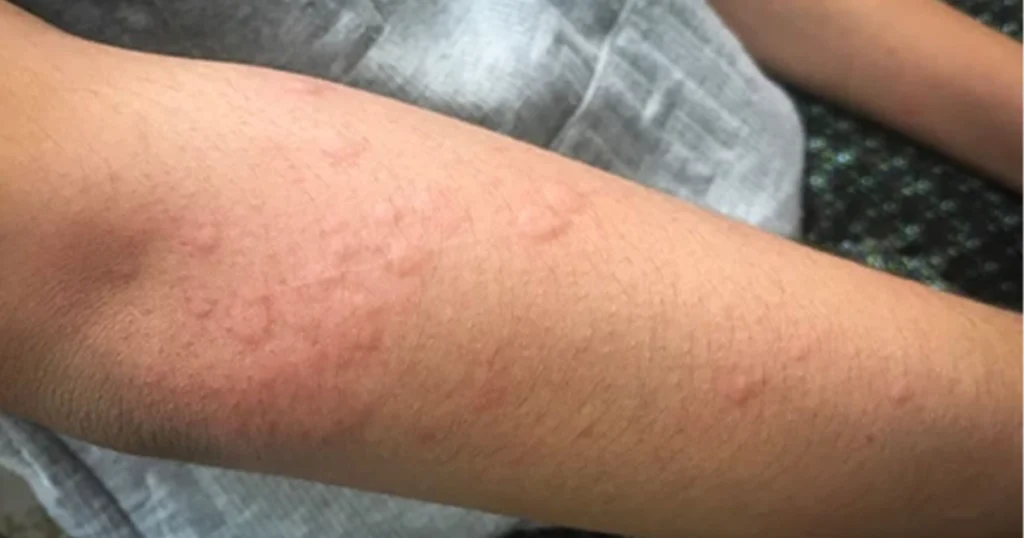
Wheals are transient, raised, itchy lesions often caused by allergic reactions. They appear suddenly and can disappear within hours, as seen in hives or urticaria. Wheals may occur in clusters and are accompanied by redness or swelling. Recurrent wheals may signal chronic urticaria or an ongoing allergic trigger that should be investigated.
Conditions That Cause Skin Lesions
Identifying underlying conditions helps guide treatment and prevent recurrence. Skin lesions may result from infections, autoimmune disorders, allergies, or more serious conditions like skin cancer. Common conditions include:
- Bacterial Infections: Cause pustules, redness, and swelling, commonly seen in impetigo. Antibiotics may be needed.
- Viral Infections: Lead to vesicles, papules, or satellite lesions, as in herpes or chickenpox. Hygiene prevents spread.
- Fungal Infections: Cause scaly patches, redness, and irritation. Persistent cases may need topical or oral antifungals.
- Autoimmune Disorders: Lupus or psoriasis can produce plaques or persistent lesions, often requiring long-term management.
- Allergic Reactions: Hives and wheals appear after allergen exposure. Identifying triggers prevents recurrence.
- Skin Cancer: Benign or malignant lesions may appear as nodules, papules, or changing skin growths. Early detection is key.
What Are the Different Types of Primary Skin Lesions?
Primary skin lesions appear initially as abnormal tissue changes. Recognizing them early is important for diagnosis and treatment:
- Macule: Flat, discolored spot like freckles or birthmarks.
- Papule: Small, raised solid bump, often papular in nature.
- Nodule: Deeper, firm lesion, sometimes indicating cysts or benign skin cancer.
- Vesicle: Small fluid-filled lesion seen in viral infections; may rupture.
- Bulla: Large blister from burns or allergic reactions.
- Pustule: Raised lesion filled with pus, prone to scarring if untreated.
- Wheal: Transient, itchy raised area, commonly from allergies.
What Are the Different Types of Secondary Skin Lesions?
Secondary lesions develop from changes in primary lesions, infection, or chronic irritation. Recognizing them helps monitor progression or complications:
- Crust: Dried exudate from blood, pus, or serum; protects underlying tissue.
- Scale: Flakes of dead skin, common in eczema or psoriasis.
- Erosion: Partial epidermis loss; shallow and often moist.
- Ulcer: Full-thickness skin loss; may indicate infection or severe disease.
- Fissure: Deep cracks in the skin; painful and prone to infection.
- Scar: Fibrous tissue after healing; may be raised or discolored.
- Atrophy: Thinning of skin from chronic lesions or inflammation.
How Are Skin Lesions Diagnosed?
Diagnosis involves a thorough skin examination, patient history, and sometimes additional tests. Physicians may use dermoscopy, biopsy, or imaging to assess lesion depth, type, and malignancy risk. Lab tests can help identify infectious causes, while monitoring lesion changes over time guides treatment. Early detection is crucial. If symptoms worsen or lesions change quickly, visit Altus Emergency Center.
How Are Skin Lesions Treated?
Treatment depends on lesion type, underlying cause, and severity. Options include medications, topical treatments, minor procedures, or monitoring. Managing underlying conditions helps prevent recurrence:
- Topical Medications: Corticosteroids, antifungals, or antibiotics applied directly.
- Oral Medications: Antibiotics, antivirals, or systemic treatments for widespread lesions.
- Surgical Removal: For cysts, nodules, or benign lesions causing discomfort or risk.
- Cryotherapy: Freezing small lesions, often used for warts or minor growths.
- Laser Therapy: Removes certain superficial lesions or abnormal growths.
Altus Emergency Center: Expert Lesion Evaluation
If you notice unusual or changing spots, bumps, or skin growths, acting quickly can make a big difference. Understanding What Is A Lesion helps you recognize when professional attention is needed.
Altus Emergency Center offers expert emergency care for skin lesions, providing accurate evaluation, diagnosis, and treatment. Prompt care ensures complications are avoided and gives you peace of mind for your skin health.