

Have you ever found yourself staring at a screen, struggling to remember a simple task, or feeling mentally sluggish without a clear reason? That haze in your thinking is often referred to as brain fog. While it’s not a medical condition on its own, brain fog can significantly affect daily life, work productivity, and overall mental clarity. Understanding what it is and why it happens is the first step toward clearing the mental haze.
Brain fog can affect everyone differently; some experience brief memory lapses, while others feel persistent fatigue or difficulty concentrating. In severe or sudden cases, visiting an emergency room in Waxahachie, TX, can help rule out serious underlying causes and provide prompt care.
What Does Brain Fog Feel Like?
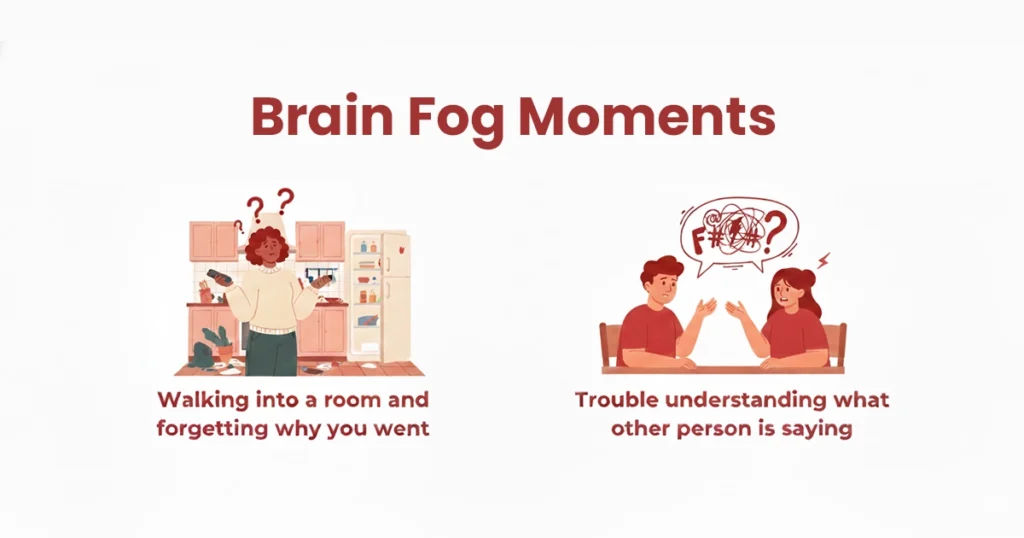
Brain fog feels like your mind is wrapped in a cloud of confusion, making it hard to process information quickly or make decisions. You may find it difficult to stay focused on tasks, recall recent events, or follow conversations. Even simple daily activities can feel mentally exhausting, and your usual sharpness of thought may feel dulled or slowed.
Symptoms of Brain Fog
- Trouble concentrating: Tasks that require focus feel overwhelming.
- Poor memory recall: Forgetting names, dates, or recent conversations is common.
- Feeling mentally sluggish: Thinking and decision-making take longer than usual.
- Difficulty processing information: Multitasking or learning new information becomes harder.
- Fatigue or low energy: Even routine activities can feel exhausting.
- Lack of motivation: You may feel mentally unmotivated or disinterested.
- Irritability or mood swings: Minor frustrations can trigger stronger emotional responses.
Why Does Brain Fog Happen?
Brain fog occurs when your brain’s ability to think clearly, focus, or remember information is temporarily impaired. It is influenced by a combination of lifestyle habits, underlying medical conditions, and mental health factors. Identifying the root cause is essential, as effective brain fog treatment depends on addressing these specific triggers.
Causes of Brain Fog
Brain fog can arise from several factors that affect mental clarity. Lifestyle habits like poor sleep, high stress, dehydration, and an unbalanced diet can all play a role. Medical conditions such as thyroid disorders, diabetes, hormonal changes, and neurological or autoimmune diseases may also contribute. Mental health issues, including anxiety and depression, can further cloud thinking.
Long COVID is another known cause; one study of 137 COVID patients followed for a year found many continued to experience memory lapses, difficulty concentrating, and mental fatigue. Certain medications, chemotherapy, and substance use can also impair cognitive function.
Lifestyle Factors
- Lack of quality sleep can prevent your brain from fully recharging.
- High or chronic stress floods the brain with cortisol, clouding clarity.
- Poor nutrition, including deficiencies in B vitamins, omega-3s, or iron, can weaken cognitive function.
- Dehydration reduces mental sharpness and focus.
- Sedentary habits limit oxygen flow to the brain, worsening sluggishness.
Medical Conditions
- Autoimmune diseases like lupus, multiple sclerosis, or fibromyalgia can affect brain function.
- Blood sugar irregularities, including diabetes or hypoglycemia, may trigger mental haze.
- Thyroid disorders, such as hypothyroidism or hyperthyroidism, impact energy and focus.
- Hormonal imbalances during menopause, pregnancy, or adrenal issues can create foggy thinking.
- Neurological conditions like Alzheimer’s or dementia directly impair cognition.
Mental Health Conditions
- Anxiety can produce anxiety brain fog, making it difficult to concentrate or process thoughts.
- Depression often leads to slowed thinking and memory issues.
- ADHD and other neurodivergent conditions affect attention and executive function.
External Factors & Treatments
- Long COVID or post-viral syndromes may cause prolonged cognitive fog.
- Chemotherapy or other intensive treatments can have lingering mental effects.
- Certain medications have cognitive side effects.
- Alcohol, recreational drugs, or other substances can cloud judgment and memory.
Brain Fog Treatment and Management
Effectively managing brain fog involves a combination of lifestyle habits, nutrition, mental exercises, and medical care when necessary. Simple, consistent changes can make a noticeable difference in focus, memory, and overall mental clarity.
- Lifestyle Adjustments: Establish a consistent sleep schedule and practice stress-reducing techniques like deep breathing or yoga. Regular physical activity, even short daily walks, improves blood flow to the brain and supports mental sharpness.
- Dietary Changes: Focus on nutrient-rich foods such as leafy greens, fatty fish, nuts, and whole grains. Staying hydrated and minimizing processed foods or excessive sugar can stabilize energy levels and enhance concentration.
- Mental Exercises: Incorporate activities that challenge the brain, such as puzzles, memory games, or mindfulness meditation. Even brief daily sessions can strengthen cognitive function and improve focus over time.
- Medical Treatment: Consult a healthcare provider to rule out underlying conditions that may contribute to brain fog. In some cases, a brain fog test, blood work, or other evaluations may be needed to identify specific causes.
How Long Does Brain Fog Last?
The duration of brain fog varies depending on its cause. Temporary brain fog, such as after a poor night’s sleep, may clear within hours. Chronic or persistent fog, often linked to medical or mental health conditions, can last weeks or months.
Factors that affect recovery include addressing the root cause, maintaining a healthy lifestyle, and actively implementing cognitive exercises. Keeping track of symptoms and triggers can also help speed up recovery and prevent future episodes.
Take Charge of Your Brain Health Today
Your cognitive health is important and deserves attention. If you notice recurring brain fog or depression symptoms, consult a healthcare provider promptly. Small lifestyle changes, stress management, and proper nutrition can go a long way in enhancing clarity. Start monitoring your mental energy today and take proactive steps to reclaim focus, productivity, and overall well-being.
If you experience sudden, severe, or persistent brain fog, seeking immediate emergency care is crucial. At Altus Emergency Centers, our skilled medical team provides a thorough evaluation, including physical exams, lab tests, and specialized assessments to identify any underlying conditions. We offer prompt treatment, guidance on next steps, and personalized care plans to help restore mental clarity and ensure your overall brain health is on track.